Southern California is home to some amazing birds. But some of these birds are in
trouble. They are called endangered. That means there are very few of
them left in the wild.
People are working hard to help these birds. Let's meet three of them. Click "Learn
more" under each bird to find out something surprising!
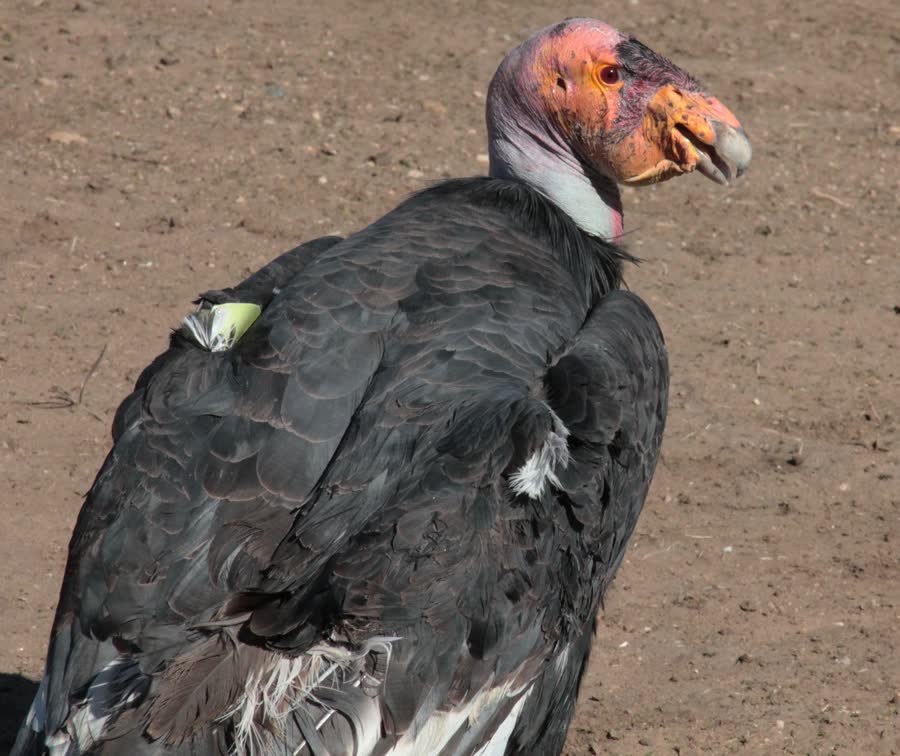
🦅 California Condor
Photo: Scott Flaherty / USFWS, public domain
The California condor is a huge bird. Its wings can spread almost 10 feet wide —
wider than a small car is long! In 1987, only 27 condors were left in the whole world.
Scientists caught them all to keep them safe and helped them have chicks. Now hundreds
of condors fly free again, some right here in Southern California's mountains.
🌟 Cool fact: A condor can travel up to 250 miles in one day
looking for food, gliding almost without flapping its wings!
Learn more
Condors don't build a nest like most birds. A mom condor lays her one egg in a small
cave on a cliff. Both the mom and dad take turns keeping it warm. A baby condor doesn't
learn to fly until it is about six months old!
Video: "Condors for Kids" by Learn Bright, via YouTube
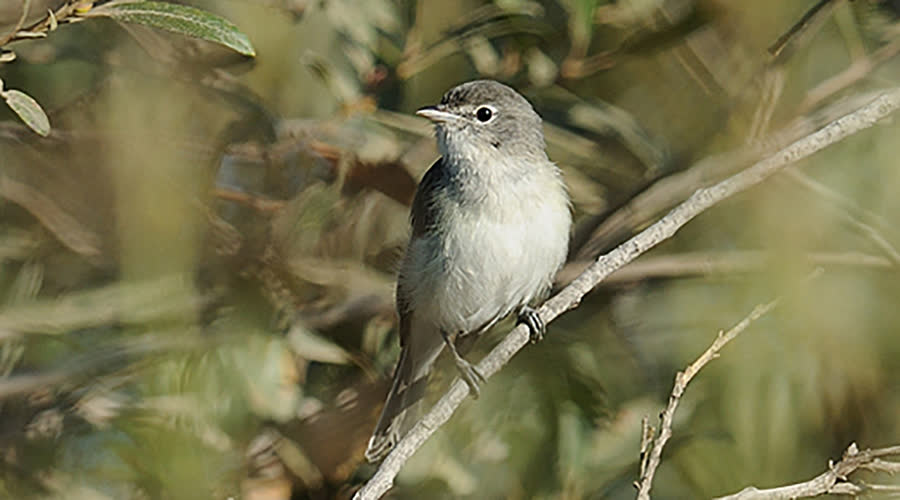
🐦 Least Bell's Vireo
Photo: USFWS, public domain
This little bird is much smaller than a condor — only about as long as your hand! It
likes to live in bushes near rivers and streams. When those river homes got destroyed,
the vireo almost disappeared. In 1986, there were very few left. People have been
fixing up river habitats ever since, and now there are thousands of vireos again.
🌟 Cool fact: A tiny vireo sings a loud song all day long to guard
its home from other birds!
Learn more
Male vireos are picky builders. A male will build several "practice nests" before the
female picks her favorite one. The winning nest looks like a tiny hanging cup, woven
from grass and spider webs.
Video: "Least Bell's Vireo" by San Diego Bird Alliance, via YouTube
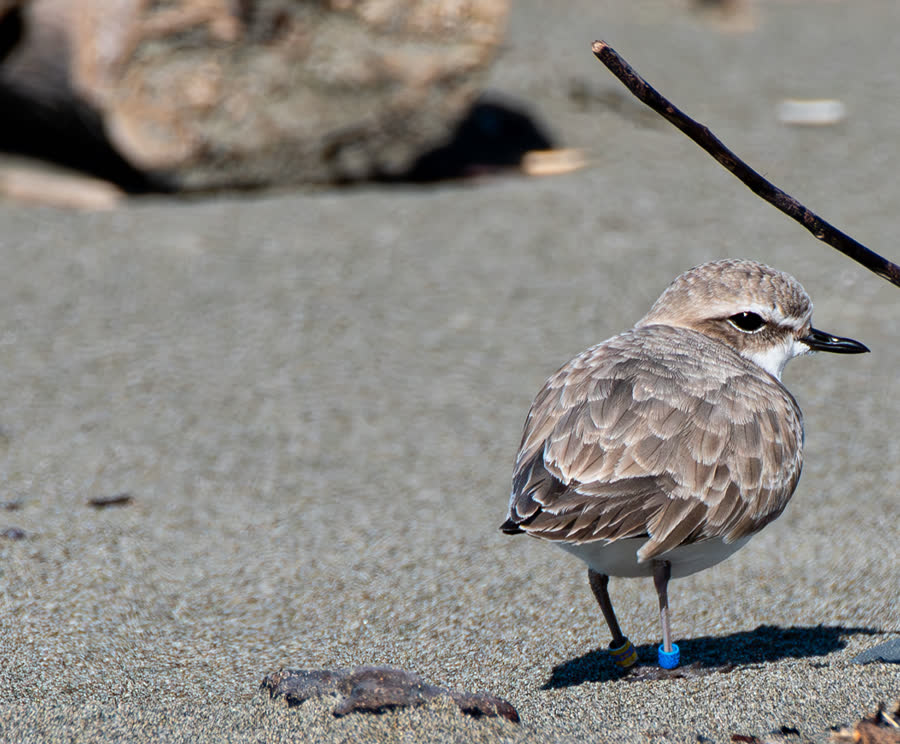
🐚 Western Snowy Plover
Photo: Micah Ashford / USFWS, public domain
The snowy plover is a small, pale bird that lives right on the sandy beach. Its
feathers match the sand, so it can be very hard to see. The plover lays its eggs in a
tiny nest scooped into the sand. People walking on the beach can accidentally get too
close, so some beaches put up signs asking people to stay away from plover nests.
🌟 Cool fact: Snowy plover chicks can run around and find their
own food just hours after they hatch!
Learn more
Plover parents have a clever trick. If a predator gets close to the nest, a parent
will pretend its wing is broken and flop around on the sand. The predator follows the
"hurt" bird away from the eggs — then the plover suddenly flies away safely!
Video: "How the threatened snowy plover nests along Sonoma Coast State Park" by The Press Democrat, via YouTube
💡 New Word Today
Endangered — when there are very few of an animal left, and it needs
our help to survive.
Example: "The California condor is an endangered bird."
🎯 Quiz Time
Part A: Circle the Best Answer
1. What does the word "endangered" mean?
2. Where does the least Bell's vireo like to live?
3. Why do some beaches have signs about snowy plovers?
4. About how far can a condor travel in one day?
Part B: Write Your Answer
1. Which of these three birds is your favorite? Why?
✏️ Start with: "My favorite bird is..."
2. Why do you think it's important to protect endangered animals?
✏️ Start with: "I think it's important because..."
⭐ Fun Fact
The Moon is slowly moving away from Earth — about as fast as your fingernails grow!
📋 Answer Key (Parents)
Part A:
B — endangered means an animal has very few left
C — the least Bell's vireo lives in bushes near rivers
A — beach signs protect snowy plover nests in the sand
B — a condor can travel about 250 miles in a day
Part B – Sample Strong Answers:
"My favorite bird is the condor. It is so big and can fly so far without flapping its wings!"
"I think it's important because every animal has a job in nature. If we lose one kind of animal, it can hurt other plants and animals too."